It had been four long years since the British Army had been pushed out of France and back across the Channel, forced to evacuate from the beaches and harbour of Dunkirk. The time had finally come for the Western Allies to bite back and begin the liberation of North West Europe from Nazi occupation.
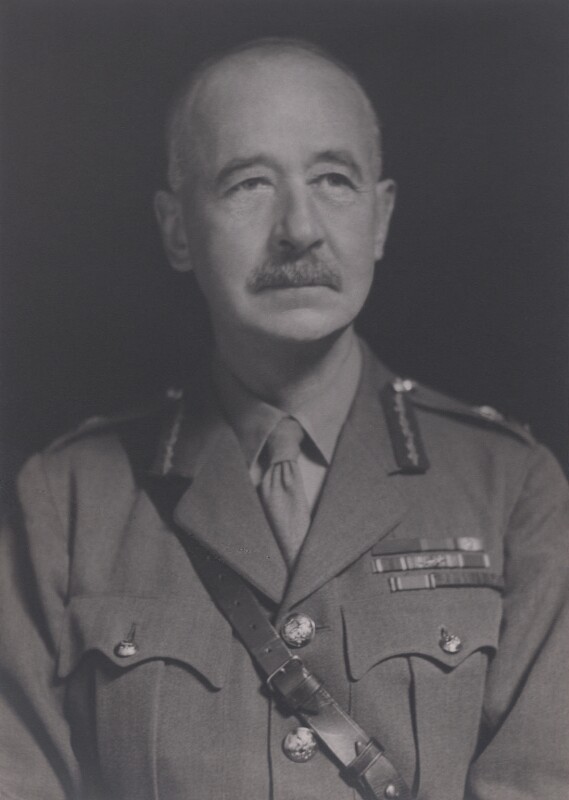
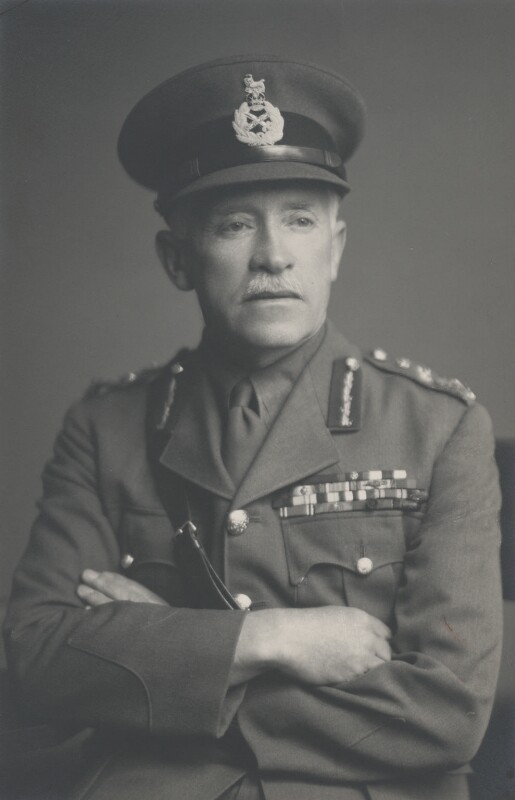
Although no Cameronian battalions took part in the initial assaults on the beaches of Normandy, two well known Cameronians had been involved in the planning and preparation. General Sir Thomas Riddell-Webster, as Quarter-Master General, and Lieutenant-General J. F. Evetts, as Assistant Chief of the Imperial General Staff, both made a contribution to the planning, supply and general administration of the operation which is impossible to overestimate.
Shortly after the capture of the beaches, the Headquarter Staff of VIII Corps arrived in France, led by another famous Cameronian – Lieutenant-General Richard O’Connor. It was as part of VIII Corps that the first of the four Cameronian battalions to fight as part of the British Liberation Army would arrive in France.
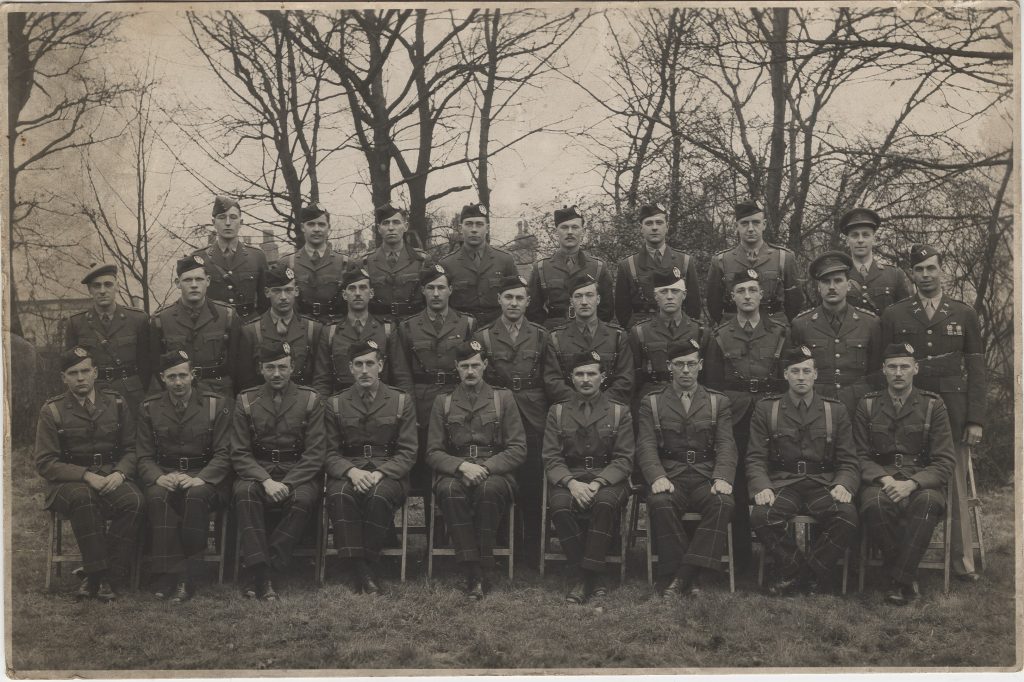
The 9th Cameronians was a War Service battalion. A 9th Battalion had been raised in 1914 and fought with distinction on the Western Front. Just 20 years later, the 9th Battalion of The Cameronians (Scottish Rifles) was raised once again to take part in a World War against Germany and her allies.
The years leading up to D-Day were frustrating for the men of the 9th Cameronians. Destined to remain in the UK undergoing intense training, they were denied the opportunity to take the fight to the enemy like their brothers-in-arms in the 1st Cameronians in Burma, or in the 2nd Cameronians (North Africa, Sicily and Italy). The reward for their patience was that they would be the first Cameronian battalion in action in the invasion of Fortress Europe.
For much of 1943 and 1944 the 9th Battalion would undergo extensive training in co-operation with armoured units, with whom they would fight alongside with great success in Normandy and beyond.
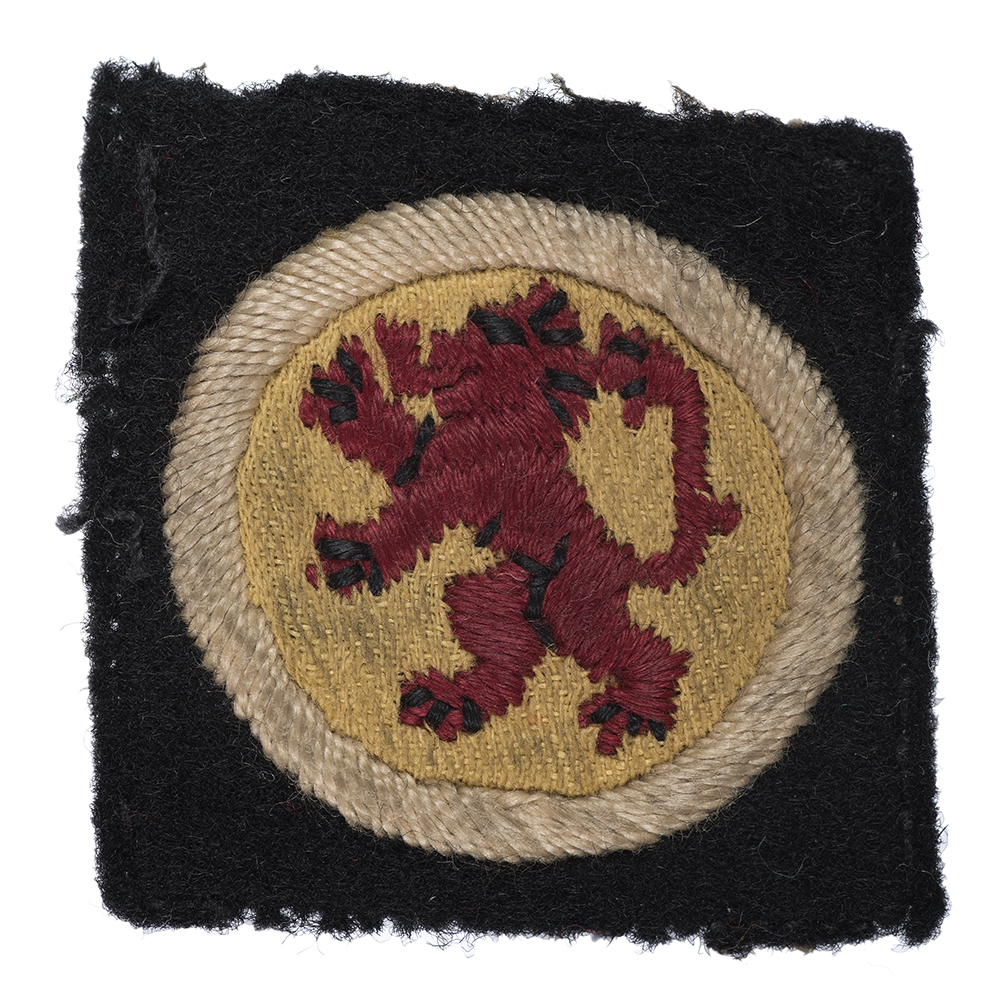
As part of 15th (Scottish) Division, serving in O’Connor’s VIII Corps, the 9th Cameronians were to form part of the force that would break out of the Normandy beachhead and clear a way towards Paris.
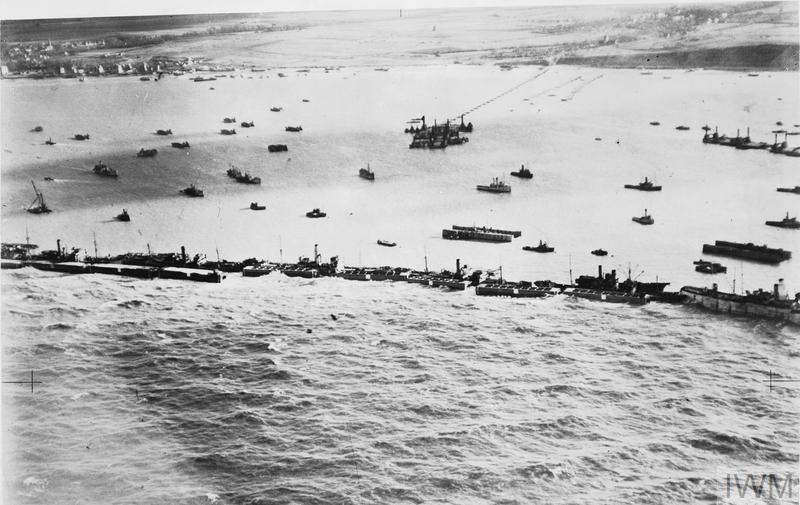
On 17 June 1944, the 9th arrived at the Mulberry Harbour at Arromanches. Bad weather would delay their disembarkation and it wasn’t until 23 June that the full Battalion would assemble together. In only three days time they would be thrown into action for the first time…
A brand new biography of General Thomas Graham, founder of the 90th (Perthshire) Volunteers, has recently been written by retired Cameronian officer, Major Philip Grant.
Portrait of Thomas Graham by Joyce Aris, from the Regimental Collection of The Cameronians (Scottish Rifles).
In his book, Grant describes Thomas Graham’s long and varied life in absorbing detail, often quoting from his vivid letters and diaries.
Graham famously raised his regiment in 1794 in an effort to exact his revenge on the French. Graham’s wife, Mary, died off the southern coast of France in 1792; while bringing his wife’s body back to Scotland for burial, Graham was accosted by French revolutionaries who desecrated his wife’s remains in search of supposed ‘contraband’. Incensed by this desecration, Graham is said to have immediately petitioned the British government for permission to raise a regiment to fight against France.
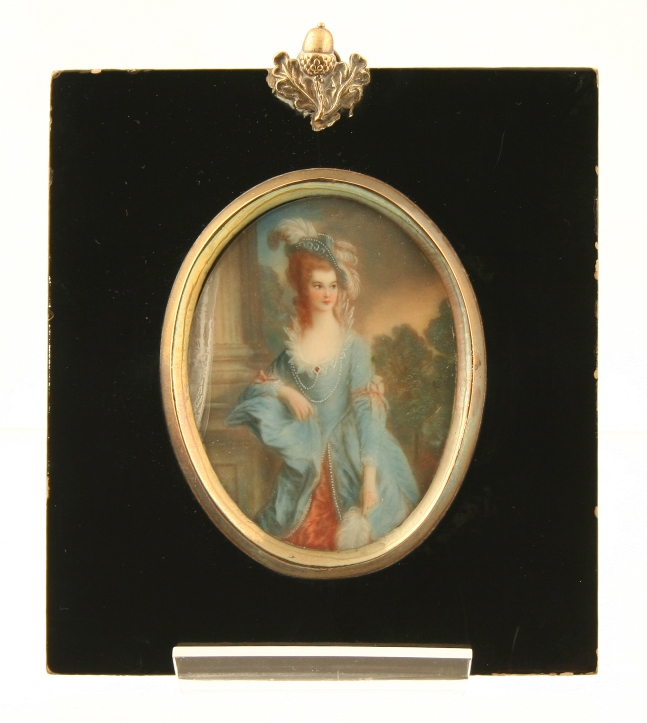
Miniature portrait of Mary Graham, after Thomas Gainsborough’s famous painting The Honourable Mrs Graham which hangs in the Scottish National Gallery.
The 90th (Perthshire) Volunteers, later the 90th (Perthshire) Light Infantry, would go on to amalgamate with the 26th (Cameronians) Regiment in 1881 to form The Cameronians (Scottish Rifles).
To mark the release of this excellent new biography of such an important figure in the regimental history of The Cameronians (Scottish Rifles), we have created a small display in Low Parks Museum using objects relating to Thomas Graham and the Perthshire Volunteers.
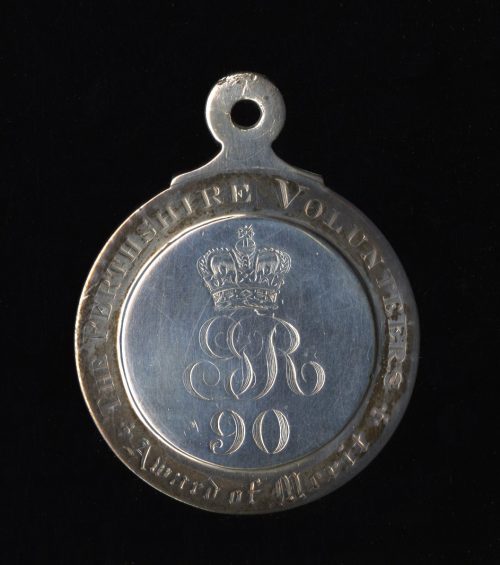
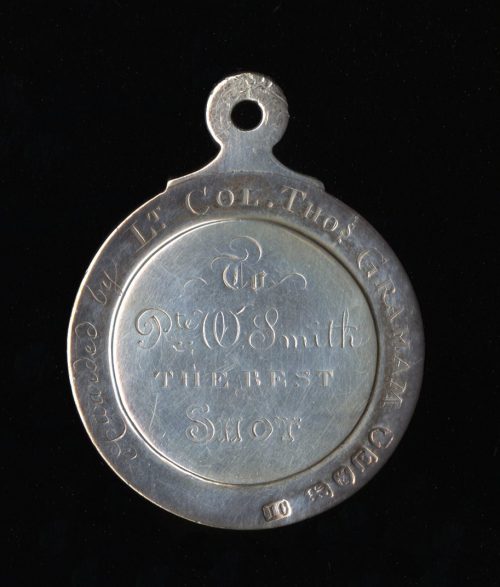
These include an early prize medal issued by Thomas Graham to the best shot in his regiment, Private W. Smith. The hallmarks on the medal indicate it was manufactured around 1800. It was most likely awarded shortly before the 90th embarked for overseas service in Egypt where it would have it’s first taste of action in the Battle of Mandora.
Award of Merit medal – obverse
Award of Merit medal – reverse
Also featured is an example of the first cross-belt plate adopted by the 90th and worn from 1794 – 1796.
Cross-belt plate of the 90th (Perthshire) Volunteers, 1794-1796.
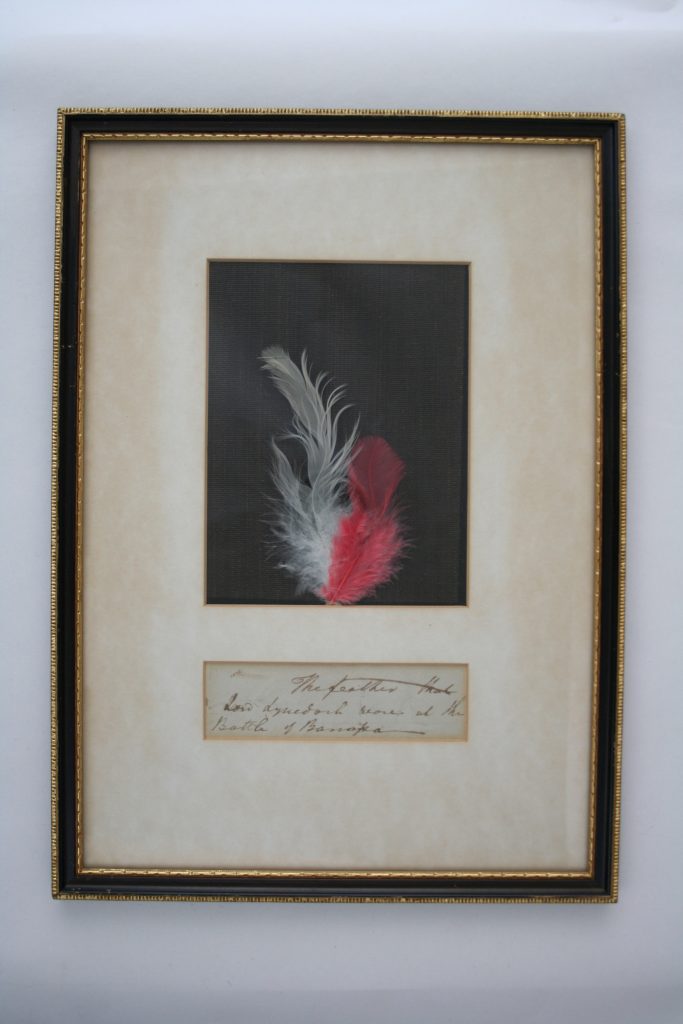
The feather cockade worn by Thomas Graham at the Battle of Barrosa completes the display.
The handwritten note reads: The feathers that Lord Lynedoch wore at the Battle of Barrosa.
You can learn more about Thomas Graham and the raising of the 90th (Perthshire) Volunteers by visiting Low Parks Museum, where you can also pick up a copy of Philip Grant’s new book, A Prince among Peers: The Life of Thomas Graham.
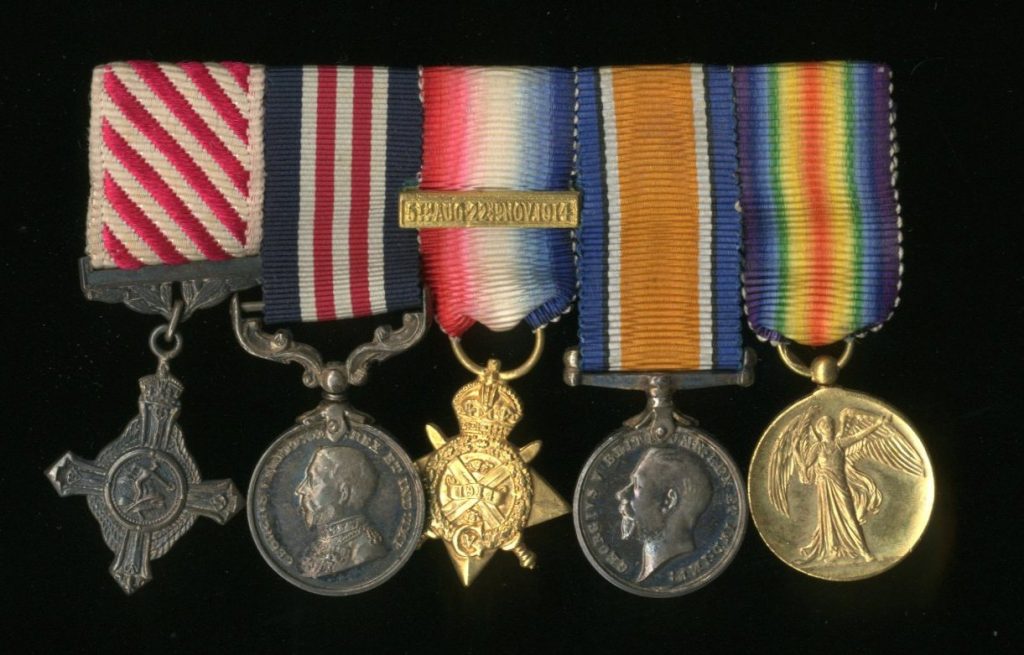
In this blog post, we take a look at one of the more unusual medal groups within the regimental collection, and try to catch a glimpse of the man behind the medals.
Miniature medals awarded to Edward Albert Westall Left to right – Air Force Cross (AFC), Military Medal (MM), 1914 Star with date clasp, British War Medal, Victory Medal
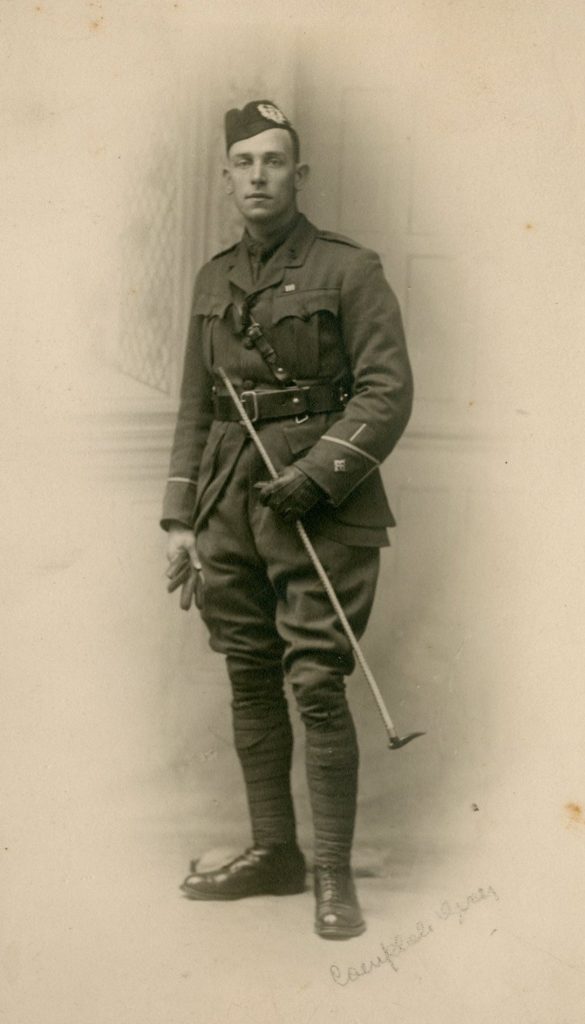
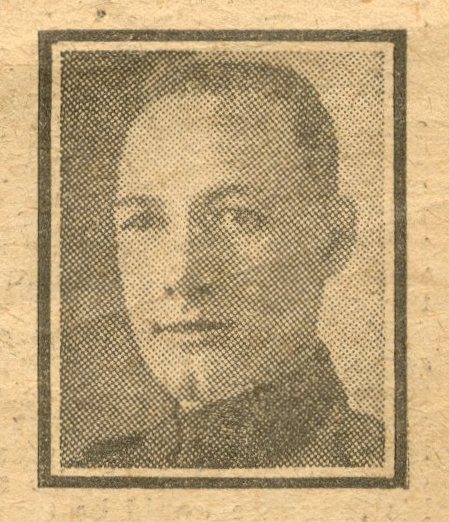
The medals were awarded to Edward Albert Westall, and represent decorated service in both the Army and the Royal Air Force. Westall was born on 17 July 1887 at St Pancras, Middlesex. He enlisted in The Cameronians (Scottish Rifles) in late 1905. Westall was still serving with The Cameronians when the First World War broke out, by which time he held the rank of Lance Sergeant. He arrived in France with the 1st Battalion on 15 August 1914, thus qualifying for the 1914 Star. On 5 January 1917, Sergeant Westall was awarded the Military Medal, an award issued to British soldiers for gallantry. An experienced soldier who had been decorated for bravery, Westall was granted a commission with the rank of Second Lieutenant on 17 September 1917. He was attached to the Royal Flying Corps (later the Royal Air Force) and would remain with them for the rest of the War. The photograph below shows Westall as a Second Lieutenant; he wears the medal ribbon of the Military Medal on his chest. He retains the Glengarry and badge of his parent regiment, The Cameronians (Scottish Rifles). The thin stripe on his lower left sleeve is a Wound Stripe, indicating he had been wounded in action.
Second Lieutenant E. A. Westall MM, probably taken in late 1917, shortly after his commission
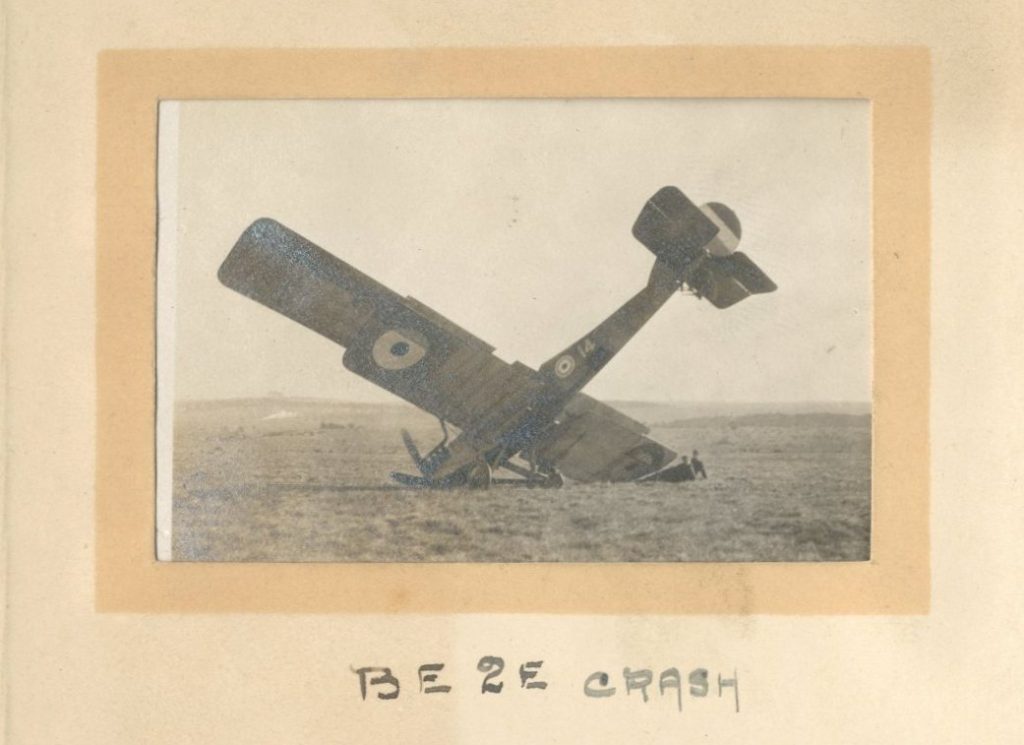
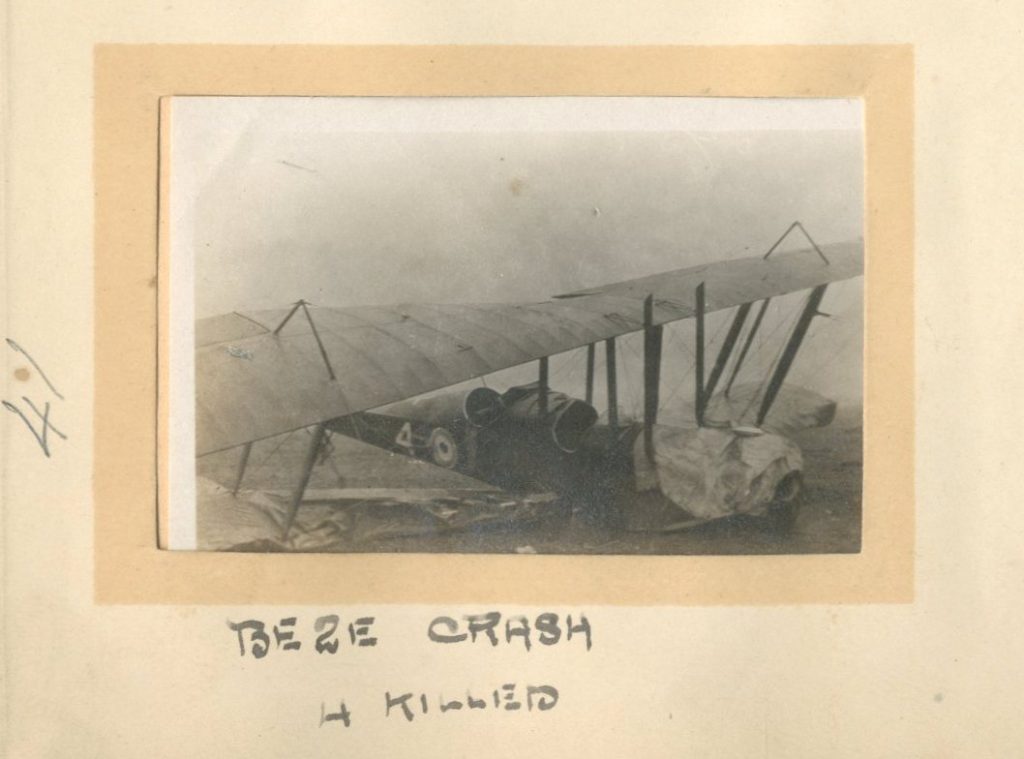
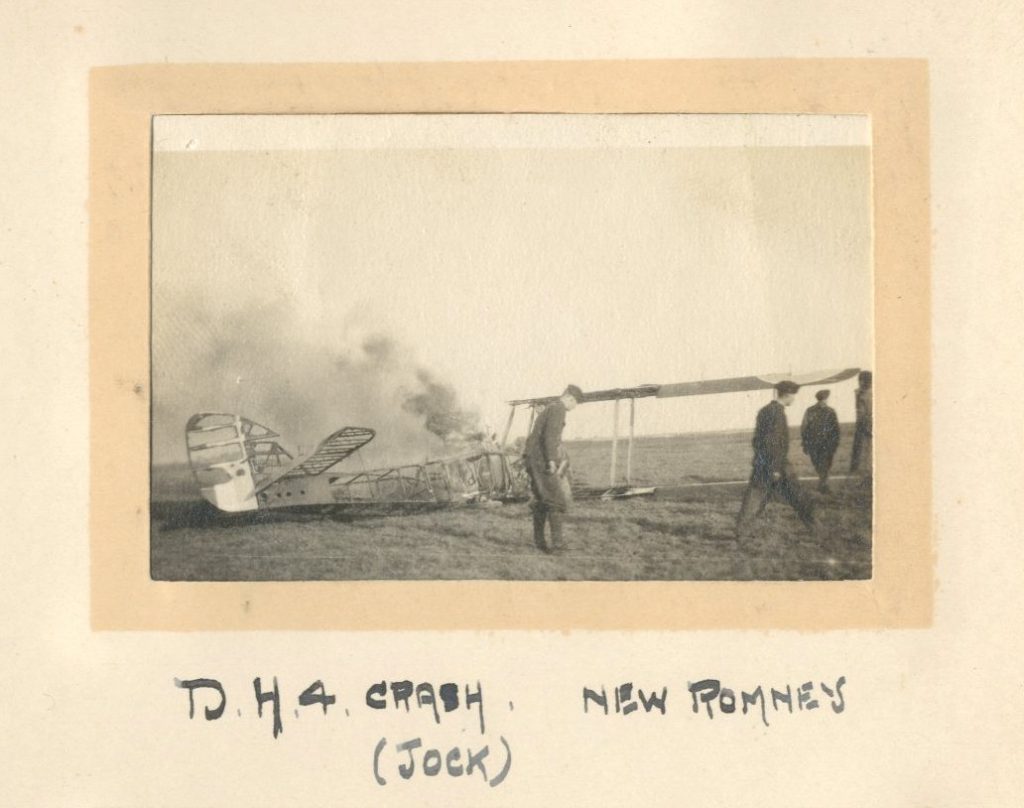
A photograph album belonging to Lieutenant Westall provides a fascinating glimpse of his service with the RFC/RAF. A common scene in the album is that of crashed aircraft, reminding us of just how dangerous those early years of flight were.
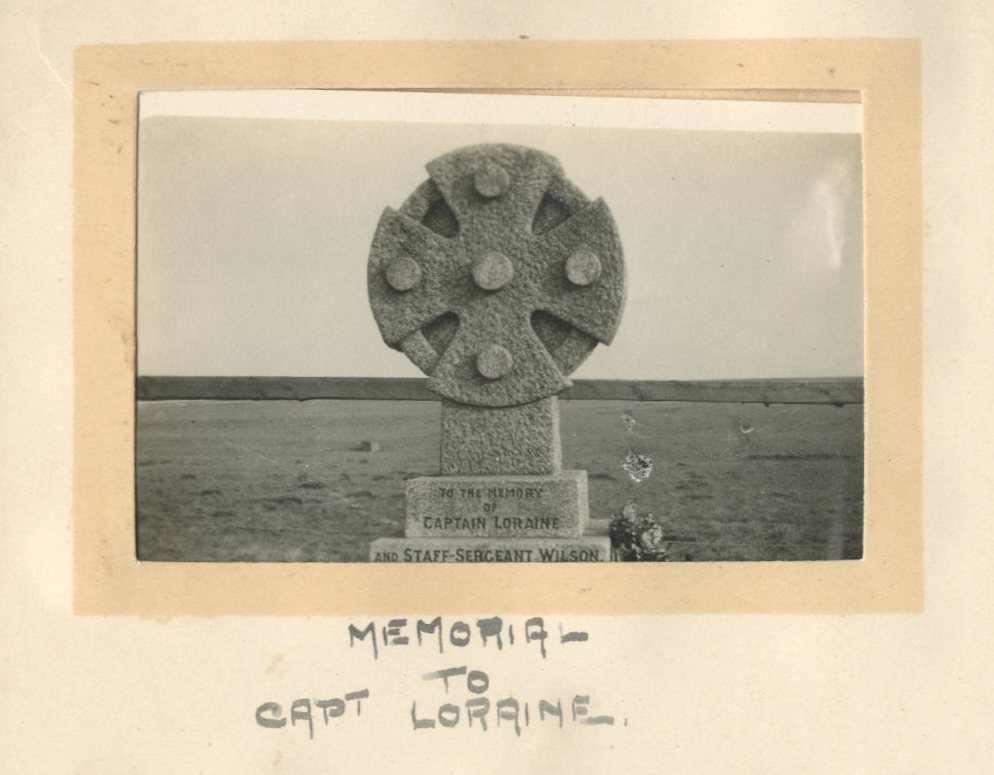
The memorial on Salisbury Plain commemorating Captain Loraine and Staff-Sergeant Wilson, who died in a crash on 5 July 1912, the first fatalities of the Royal Flying Corps
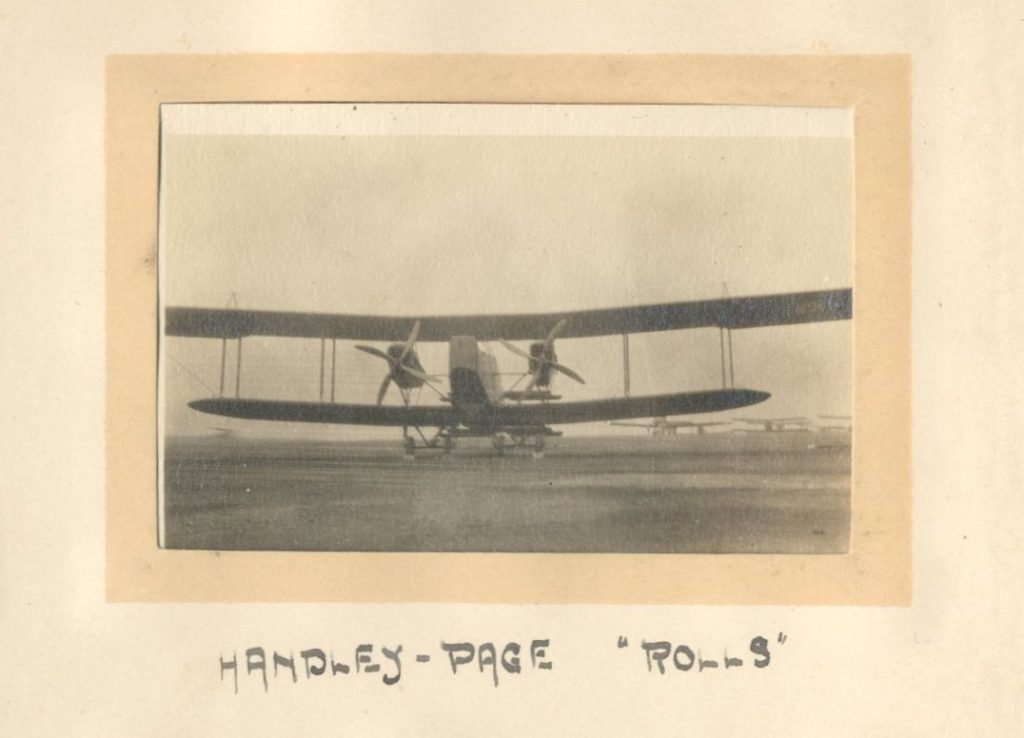
Westall continued to serve in the RAF after the Armistice of November 1918. In April 1919, he was part of the seven man crew of a Handley Page 0/400 aircraft scheduled for a circular flight around Great Britain, setting off from Weyhill aerodrome near Andover.
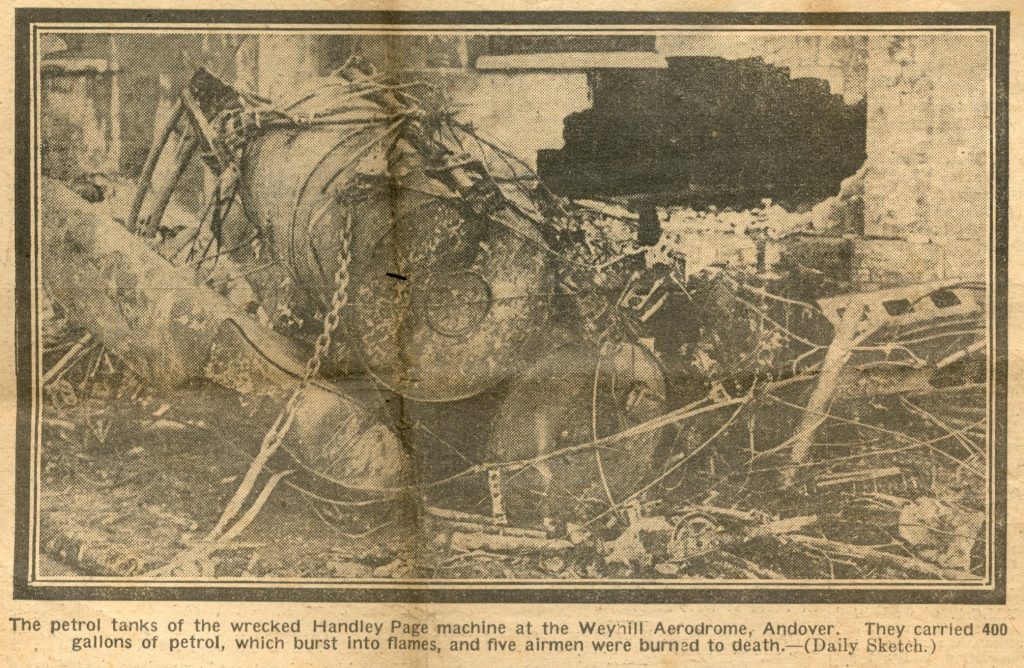
In the early hours of 22 April 1919 the plane, in which Westall was acting as Observer, clipped an aerodrome building during take-off and crashed. The 400 gallons of petrol in the fuel tanks ignited and the aircraft burst into flames. Tragically, five of the crew were trapped and killed. Westall and Flight Sergeant Smith were the only crew members who were able to escape the burning wreck; Westall receiving extensive burns to his neck and hands. Evidence given at the subsequent inquest described the scene:
I heard two slight crashes at short intervals, followed by a very loud crash. From the time of the first crash to the final one the engines were still running, and had not changed in note. I proceeded to the scene, and found the machine piled and blazing furiously against the north wall of No. 9 hut.
The fire bell was rung, and the station fire-fighters were there almost at once. The navigator, Lieutenant Westall, was discovered on the grass 20 or 30 yards away from the hut with his clothing blazing. Sergeant Smith was also discovered about the same spot, but his clothing was only smouldering. There was no hope of getting anything at all from the machine.
A photograph reproduced in the Daily Sketch shortly after the accident, showing the burnt-out wreckage of the aircraft
Sergeant Smith, one of the wireless operators, was the only other survivor of the crash. After the initial impact, Sergeant Smith was thrown on top of Lieutenant Westall. Smith was still hooked up to the wireless equipment and Westall helped clear him of the wires to allow both men to escape the burning wreckage.
Sergeant H Smith
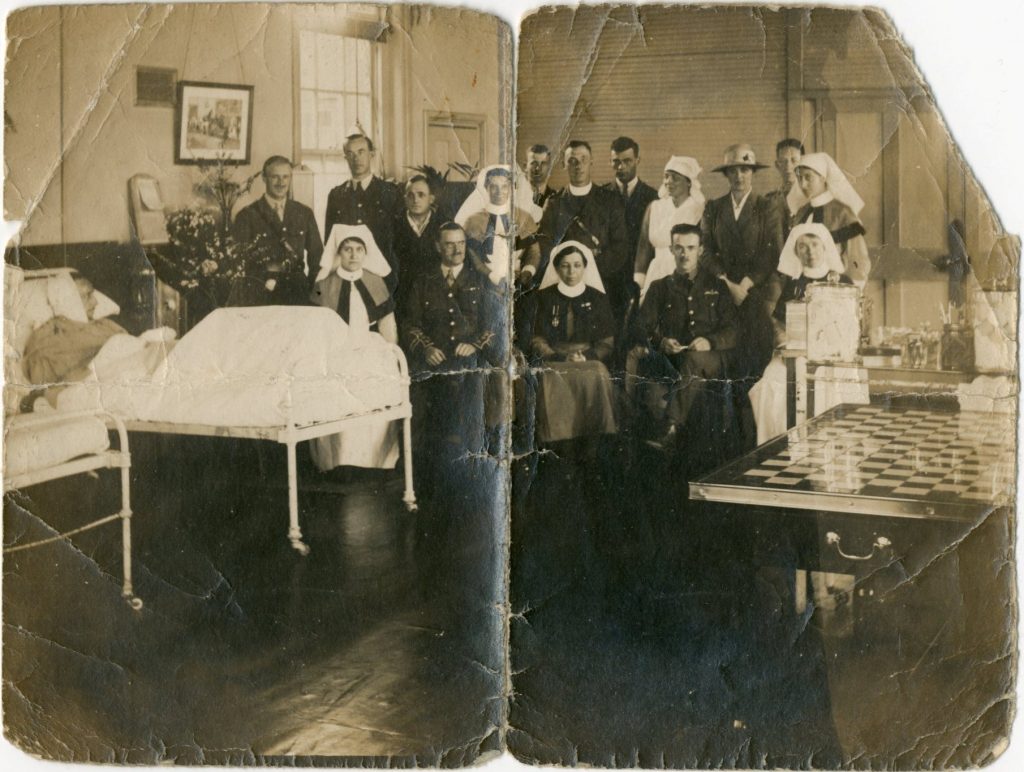
Westall’s injuries were extensive and he spent several weeks in hospital in a critical condition. Although he survived his injuries, he would bear the scars of the accident for the rest of his life. While recuperating from his injuries, Westall faced further tragedy in the loss of his wife, Florence, who died in August 1919.
Lieutenant Westall (in bed) recuperating from his wounds in hospital
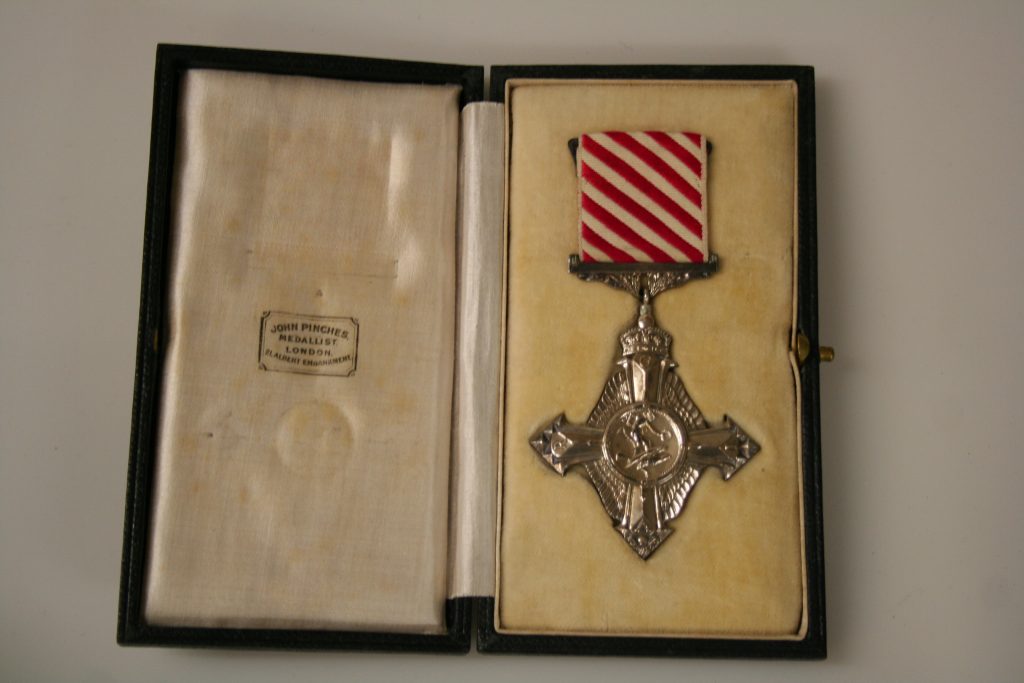
In March 1920 Westall was placed on the half-pay list on the grounds of ill-health, and ultimately retired from military service in June of that year. The London Gazette of 10 October 1919 announced the award of the Air Force Cross to Observer Officer Edward Albert Westall. No citation accompanied the award, although it is stated that it was issued for gallantry in service during the First World War. It is also possible that the award was made in recognition of Westall’s actions in assisting Sergeant Smith escaping the burning aircraft.
Westall’s Air Force Cross is the only one of its kind in the regimental collection. Very few men would have received both the Air Force Cross and Military Medal; it is almost certain that Edward Westall was the only Cameronian to receive such awards.
The Air Force Cross (AFC) awarded to Lieutenant Westall, still in the case in which it was presented
Edward Albert Westall remarried in 1920. He died on 29 June 1972 at Kennington, London, aged 84.
We are very grateful to the Westall family for gifting the medals, photographs and other items belonging to Lieutenant Edward Albert Westall to the regimental museum collection.
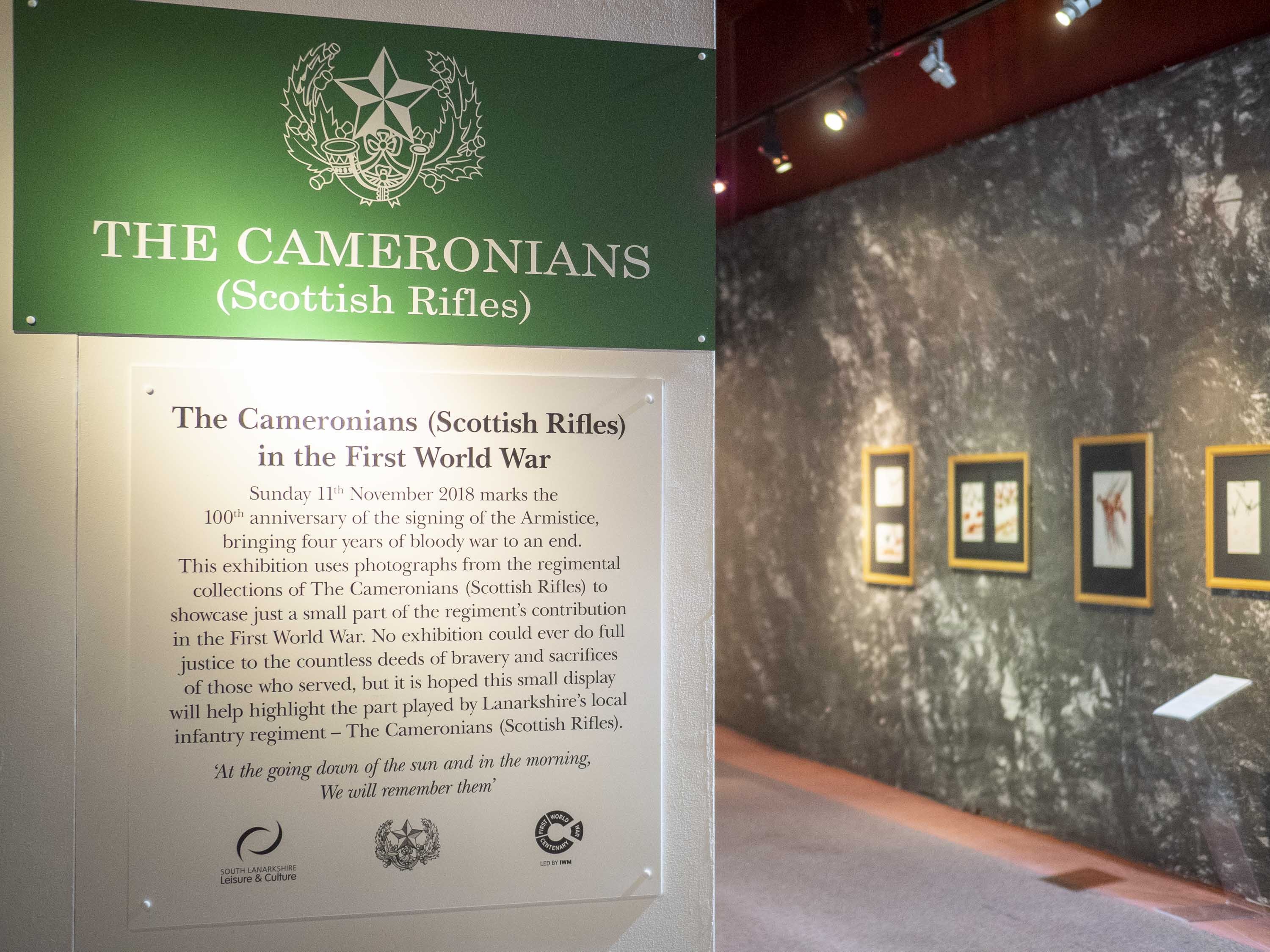
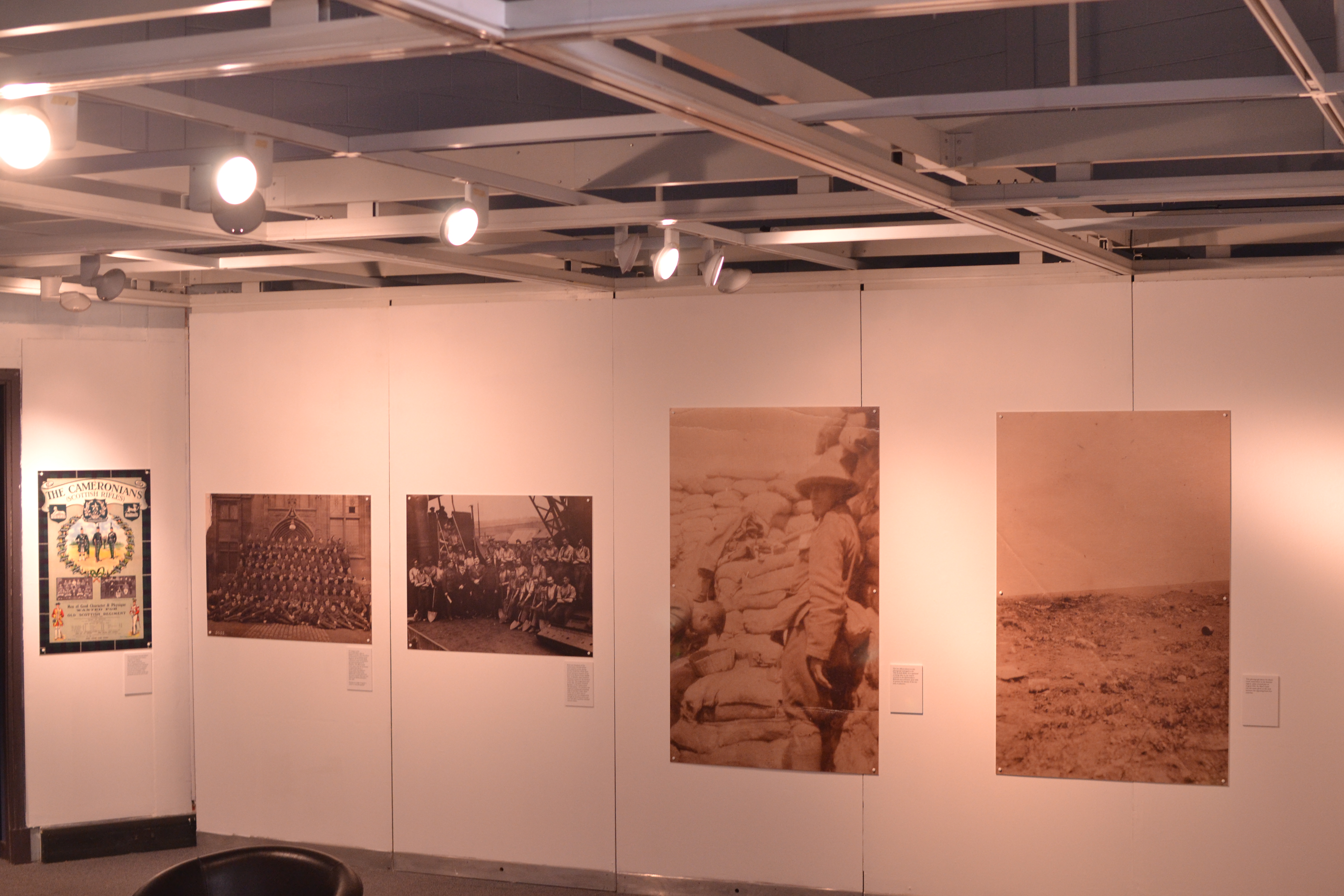
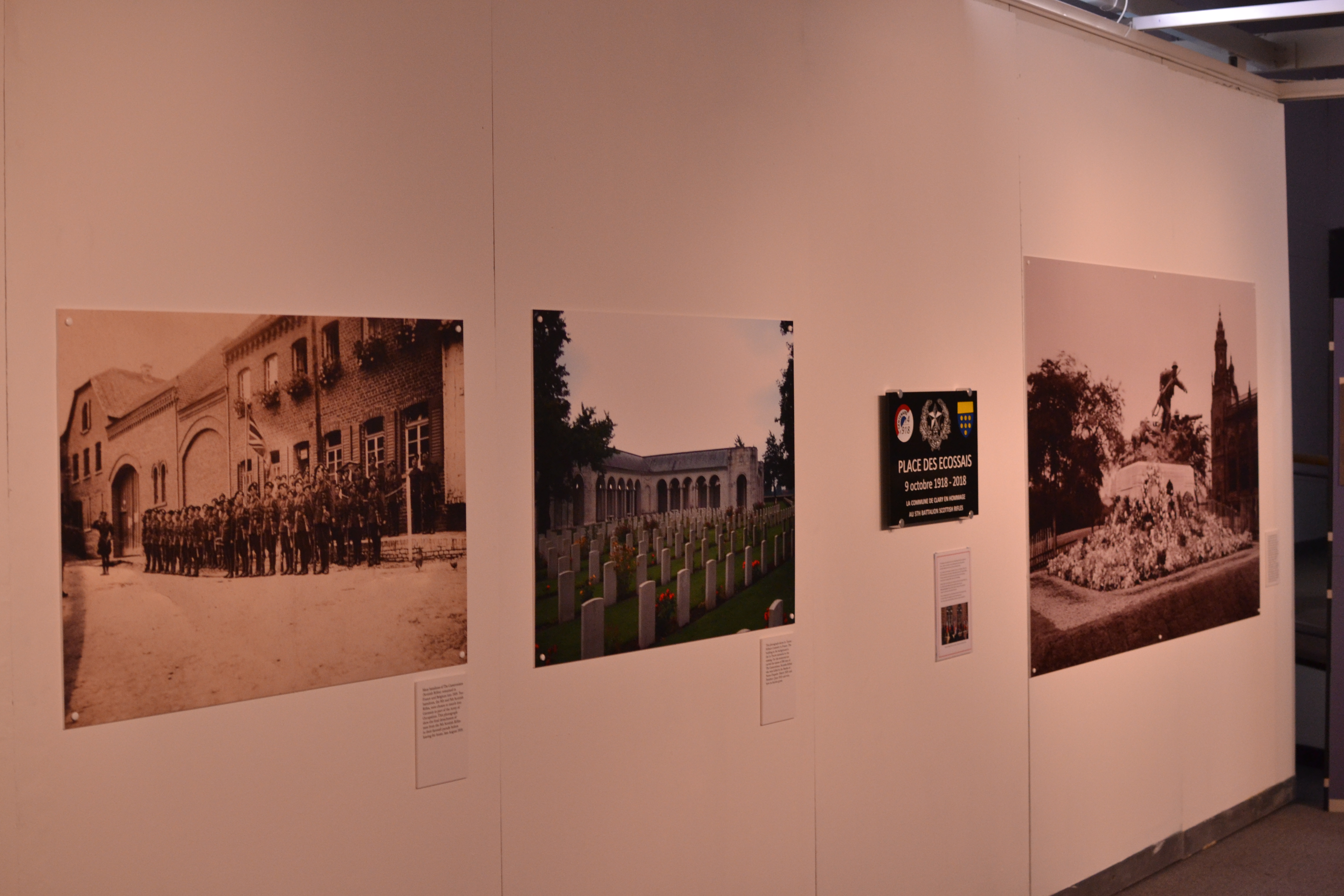
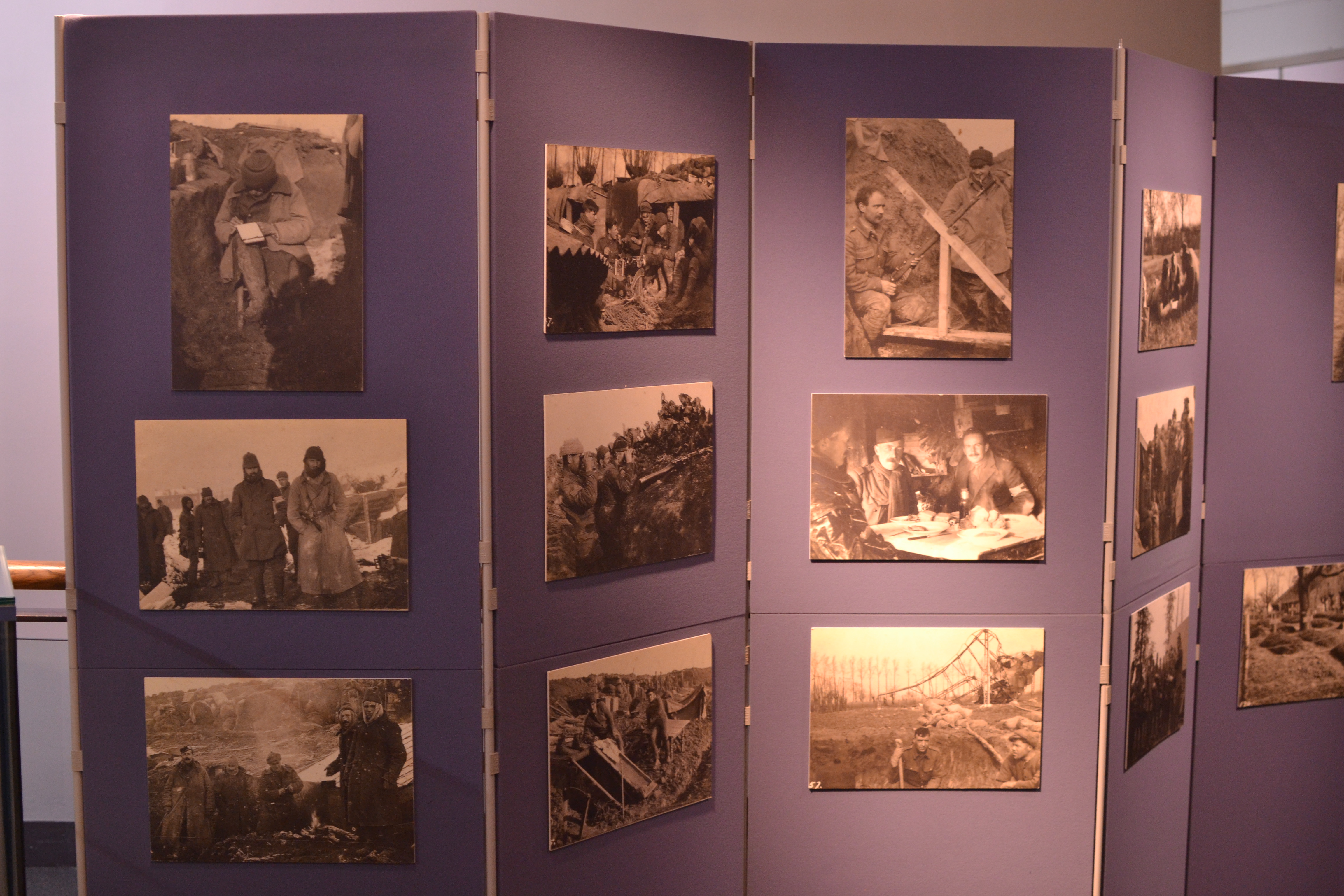
A new exhibition has recently opened at Low Parks Museum to mark the 100th anniversary of the Armistice, signed on 11th November 1918.
The exhibition uses unique photographs from the museum collection to highlight the contribution and sacrifices of The Cameronians (Scottish Rifles) in the First World War.
A short film presentation on The Cameronians (Scottish Rifles) in the First World War compliments the exhibition. This 10 minute feature was specially produced to commemorate The Cameronians involvement in the War, and utilises historical material from the museum collection along with modern images and film footage of sites, cemeteries and memorials on the Western Front.
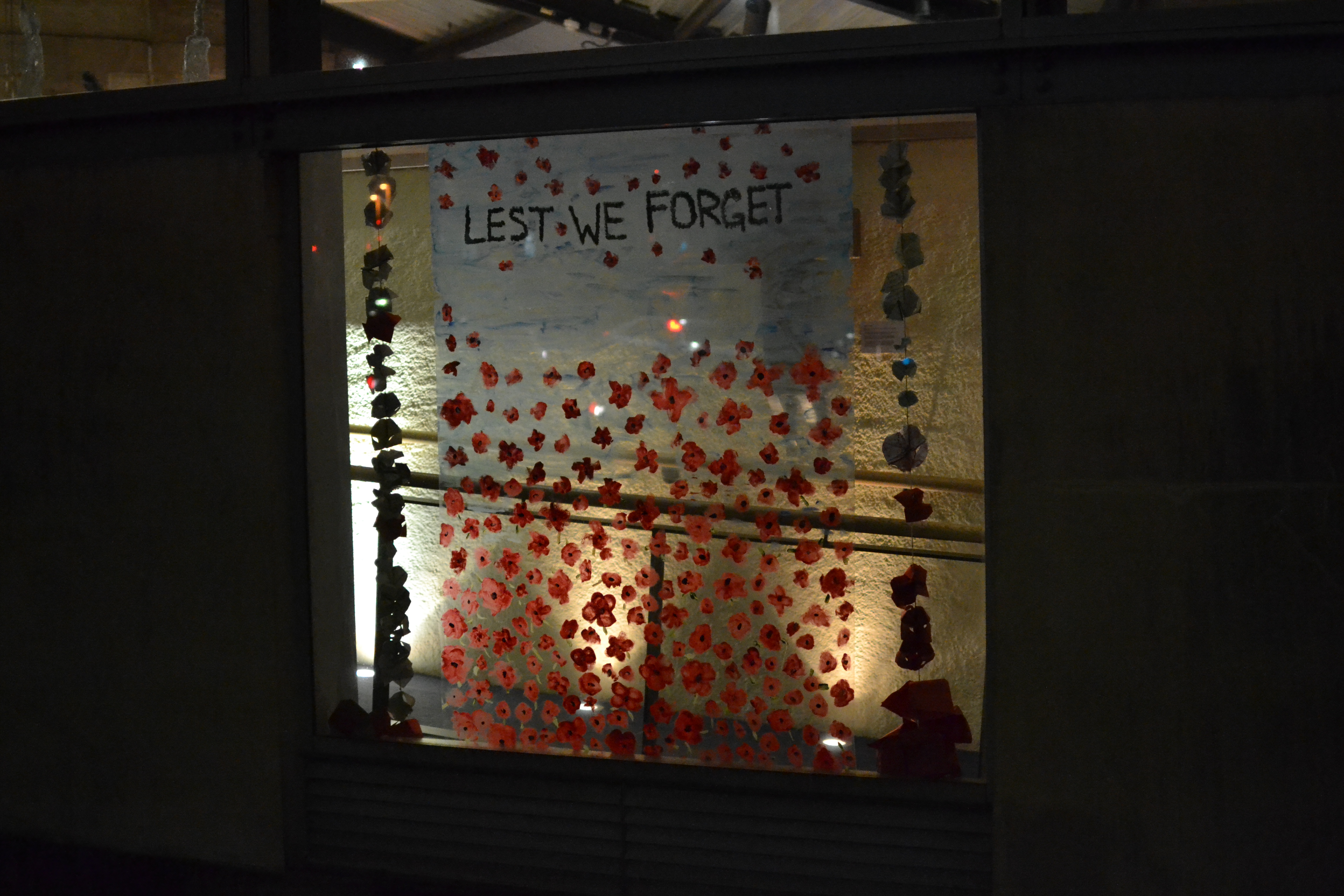
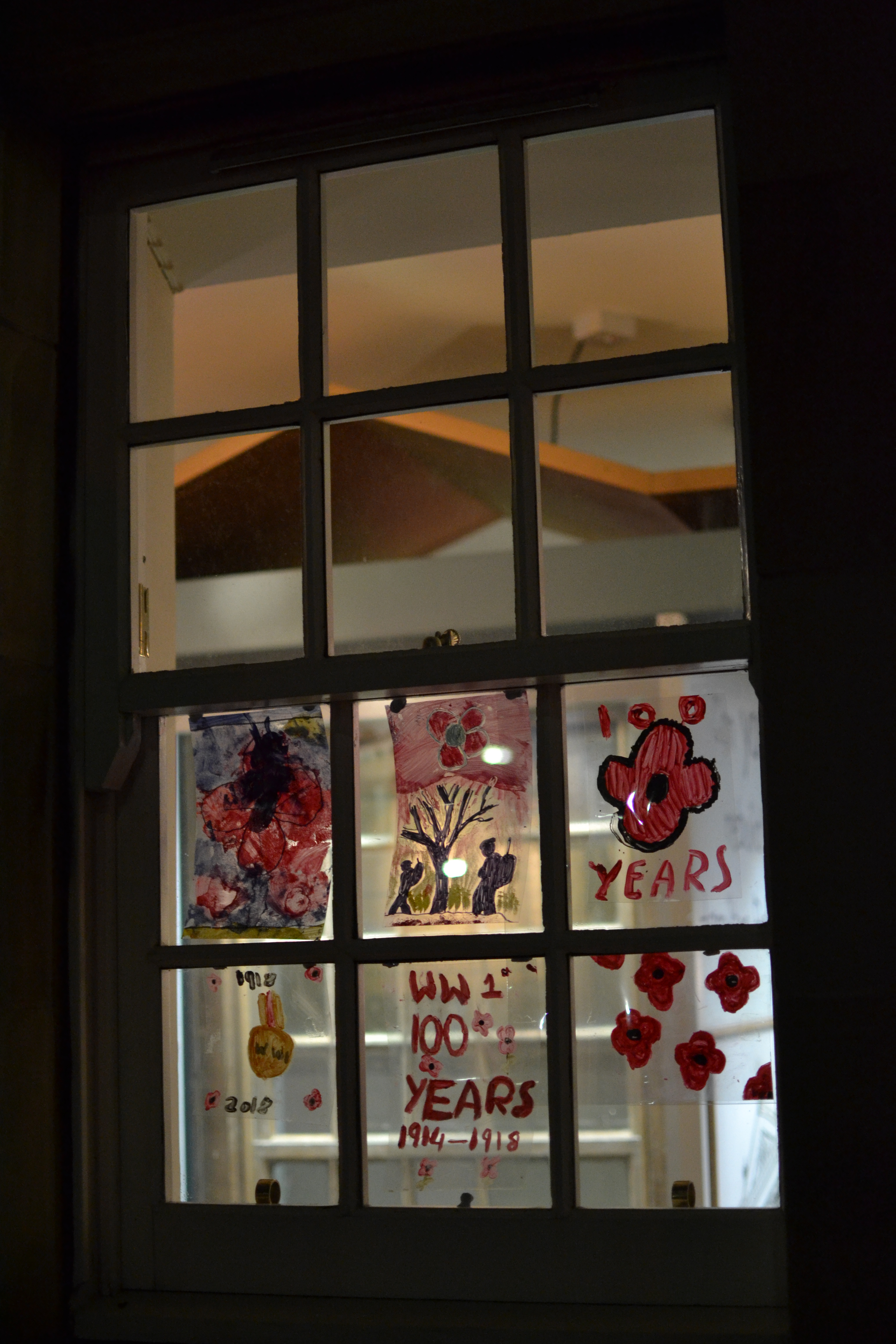
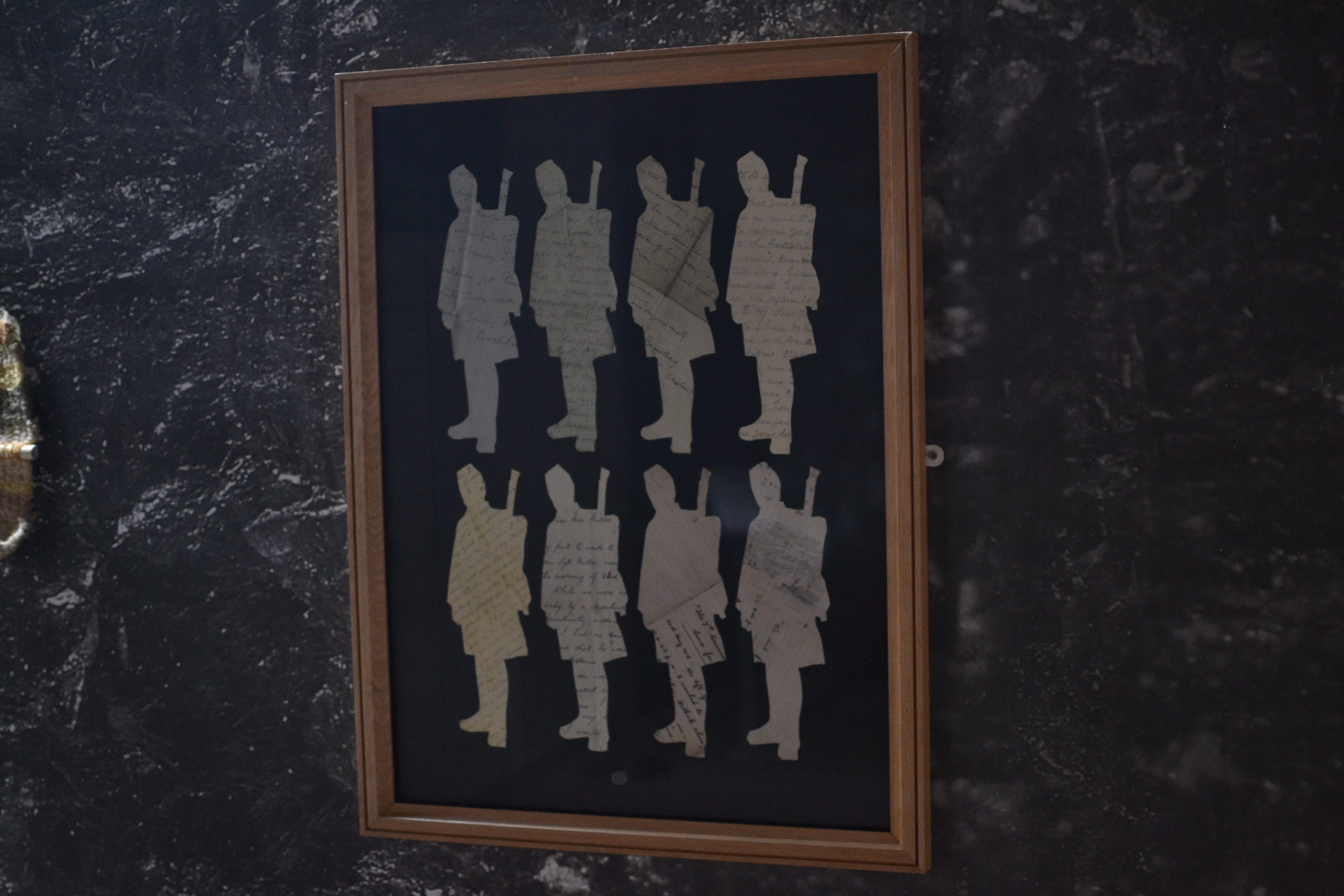
A fantastic collection of artwork and sculpture by local artist, Allison Smith, completes the exhibition. Allison, whose grandfather served with The Cameronians (Scottish Rifles) during the First World War, collaborated with primary and secondary schools across South Lanarkshire to produce this moving and evocative display at Low Parks Museum.
The exhibition and artwork installations are open now until Sunday 18th November, so please don’t miss out on the chance to come and visit. Entry to both the museum and exhibition is free of charge.
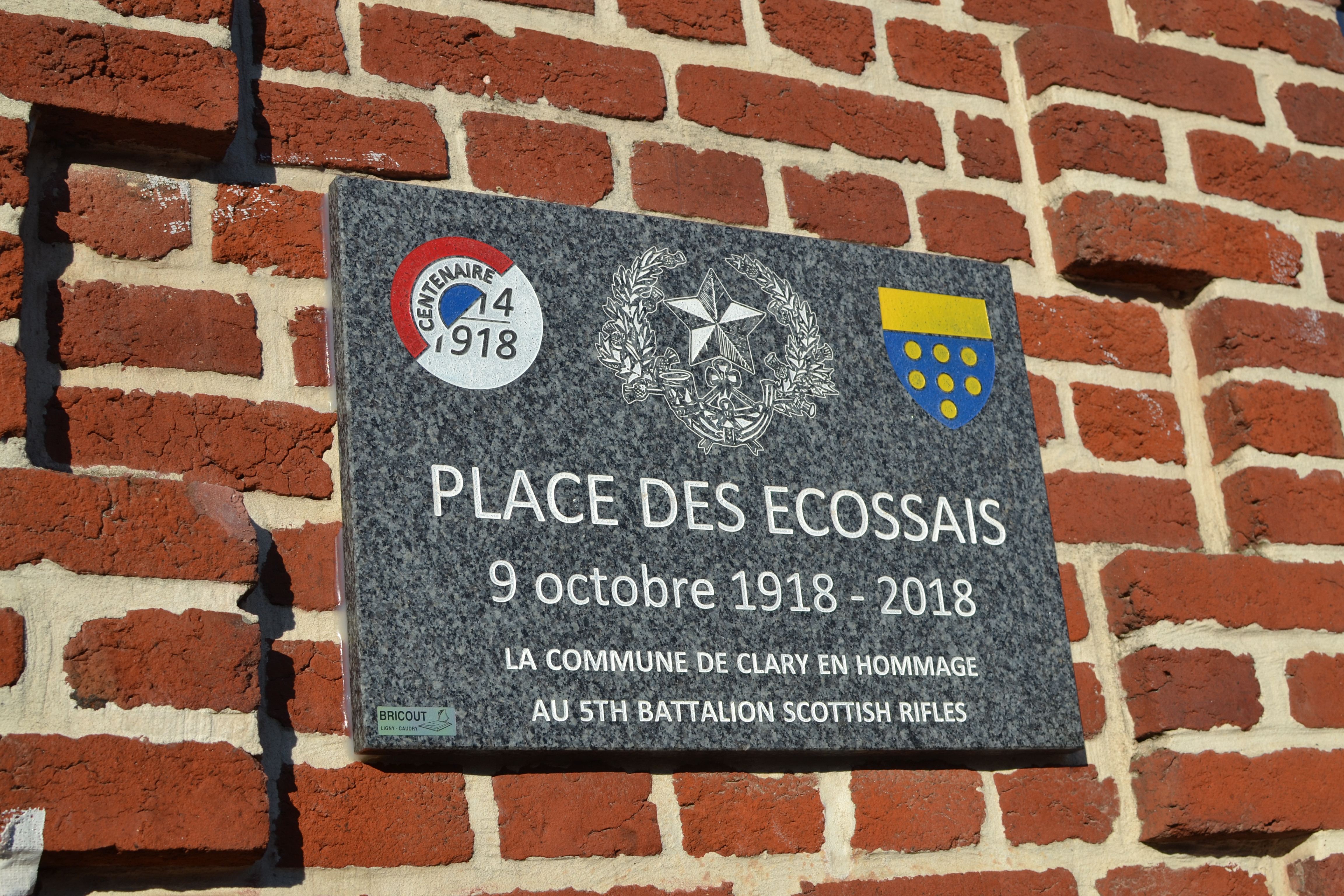
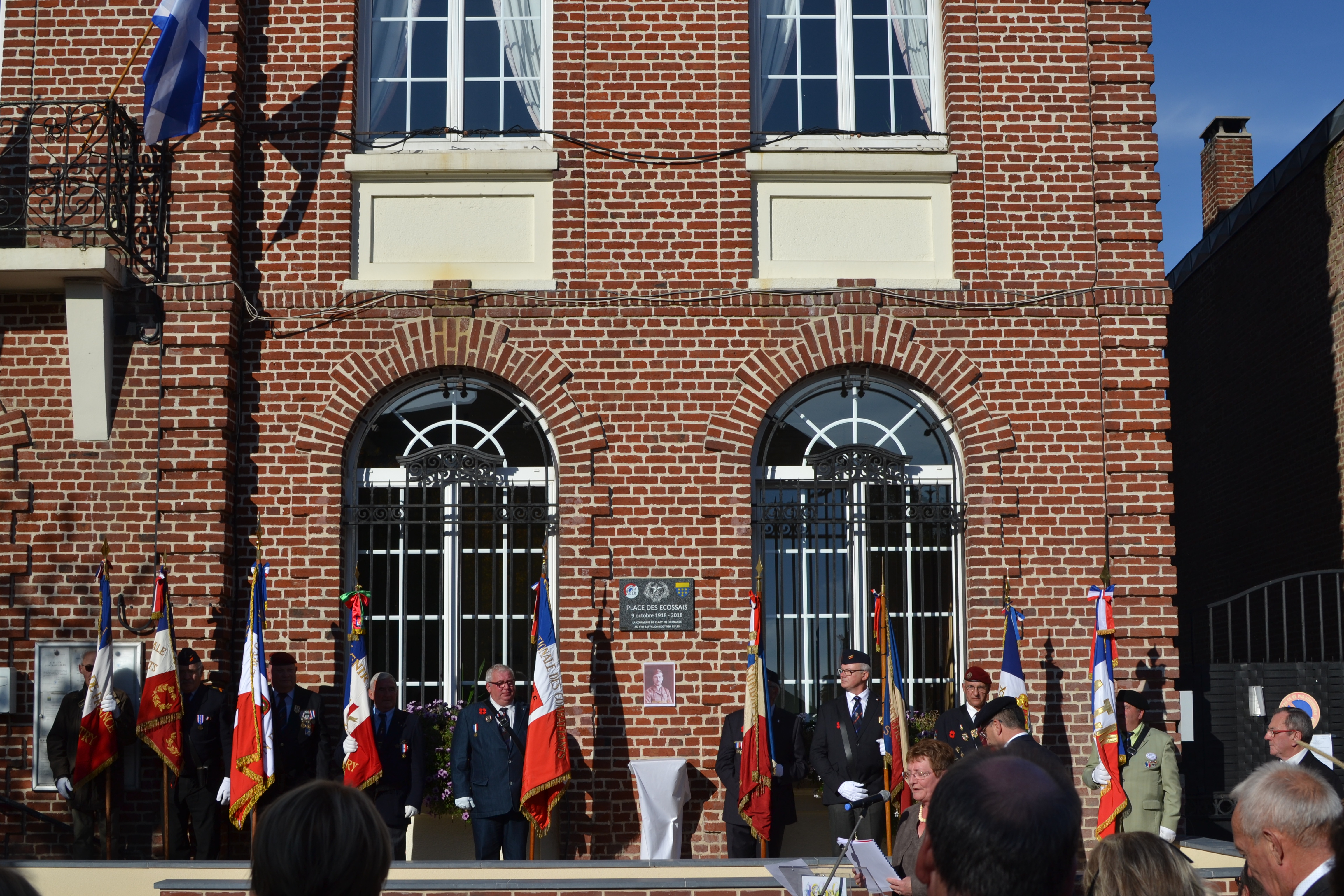
The new plaque unveiled in memory of the 5/6th Scottish Rifles at Clary
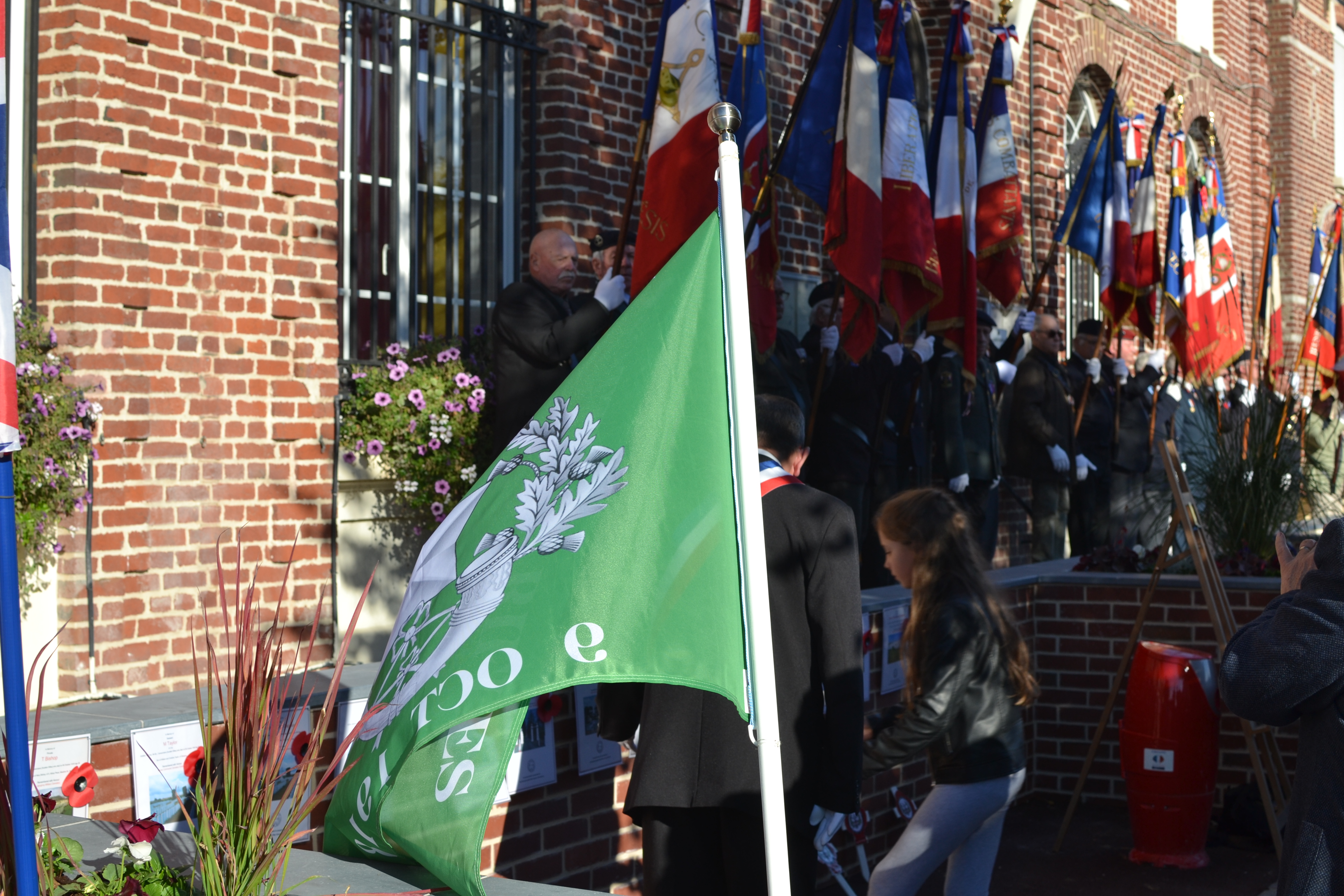
Last week I had the privilege of representing the museum service at a moving ceremony in the French town of Clary. Tuesday 9th October 2018 was the hundredth anniversary of the action in which the 5/6th Scottish Rifles liberated Clary from German occupation, bringing to an end years of hardship and oppression. Shortly after the Armistice, the residents of Clary had paid tribute to the 5/6th Scottish Rifles and renamed the town square Place des Ecossais in honour of the Scottish troops who had won them their freedom.
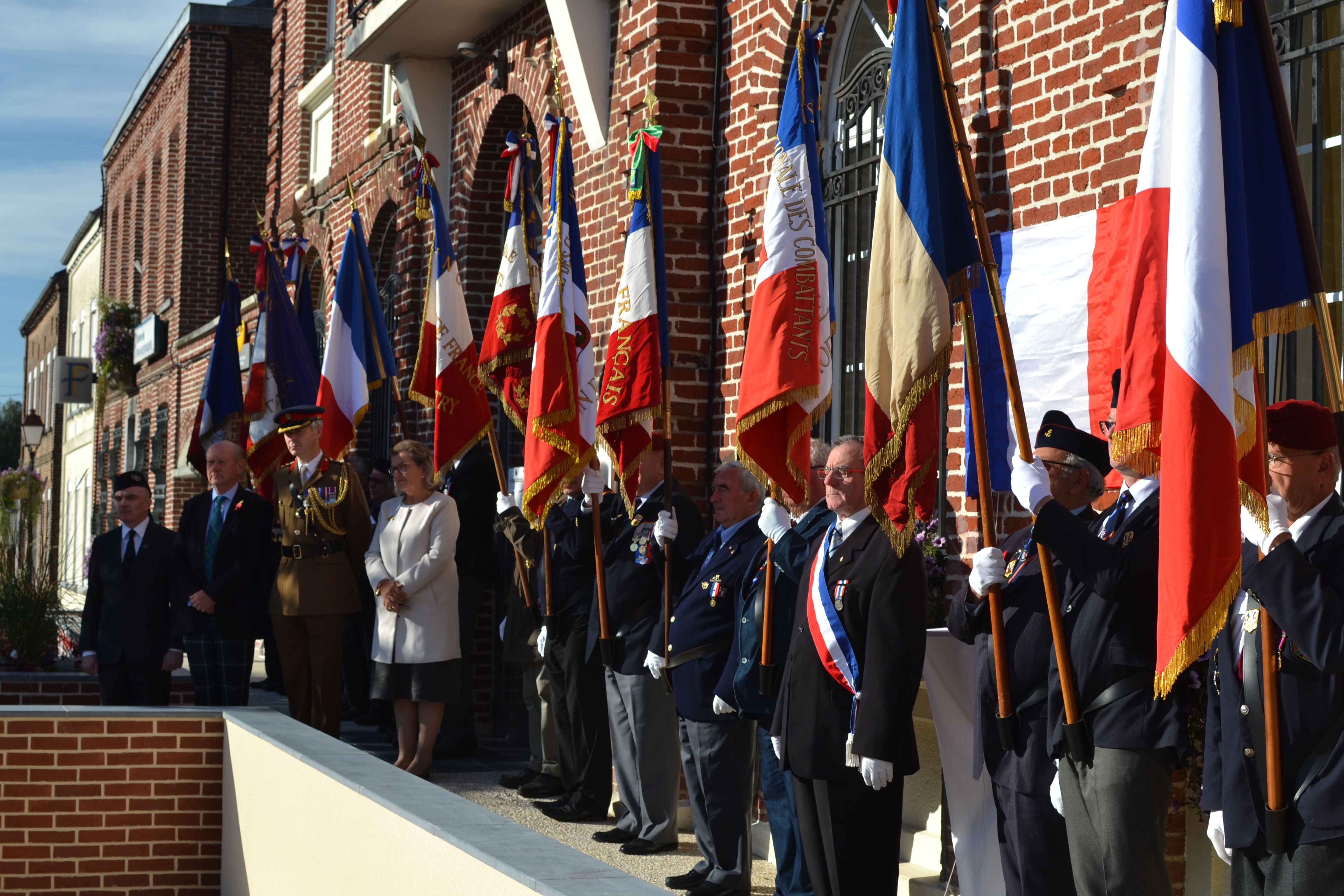
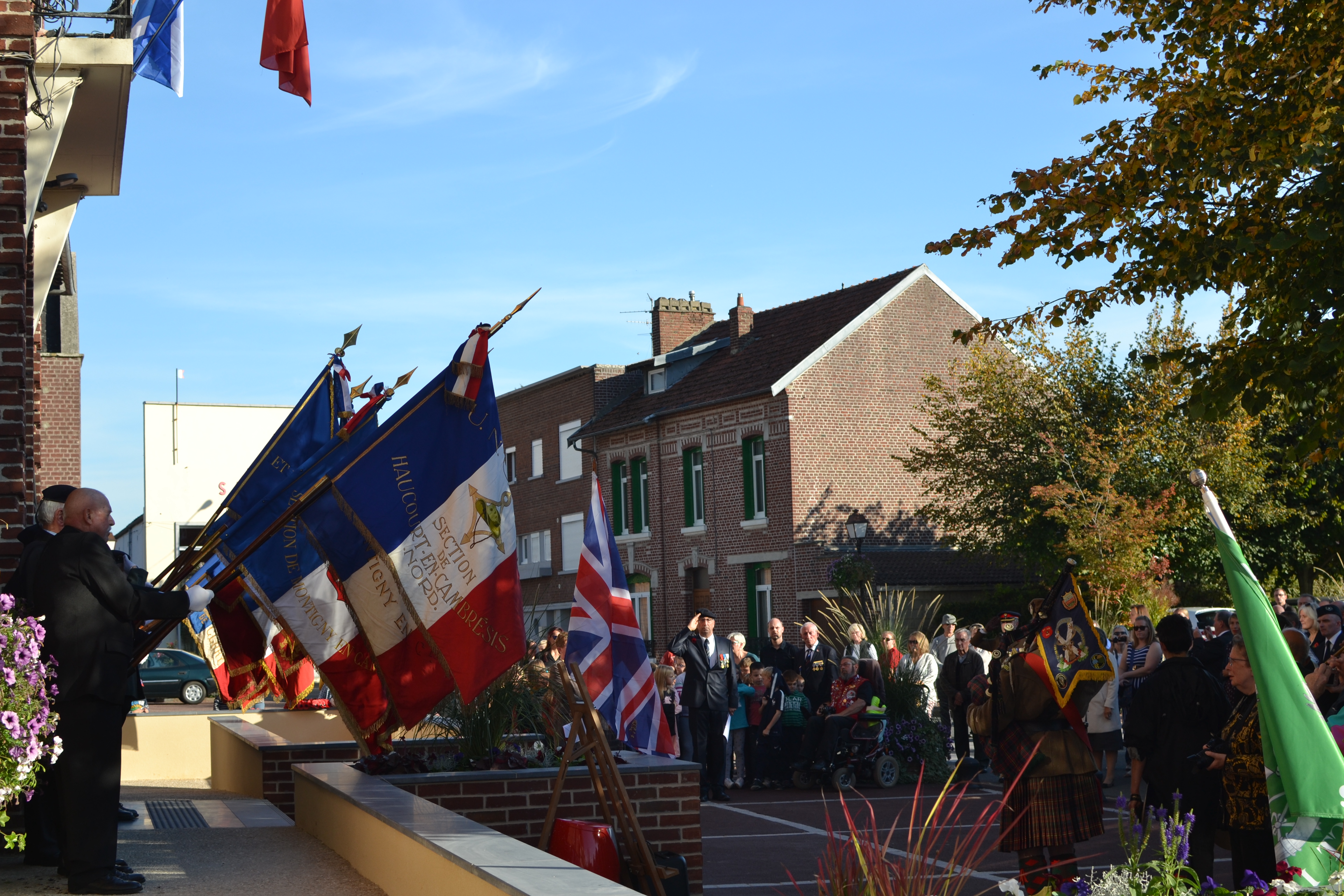
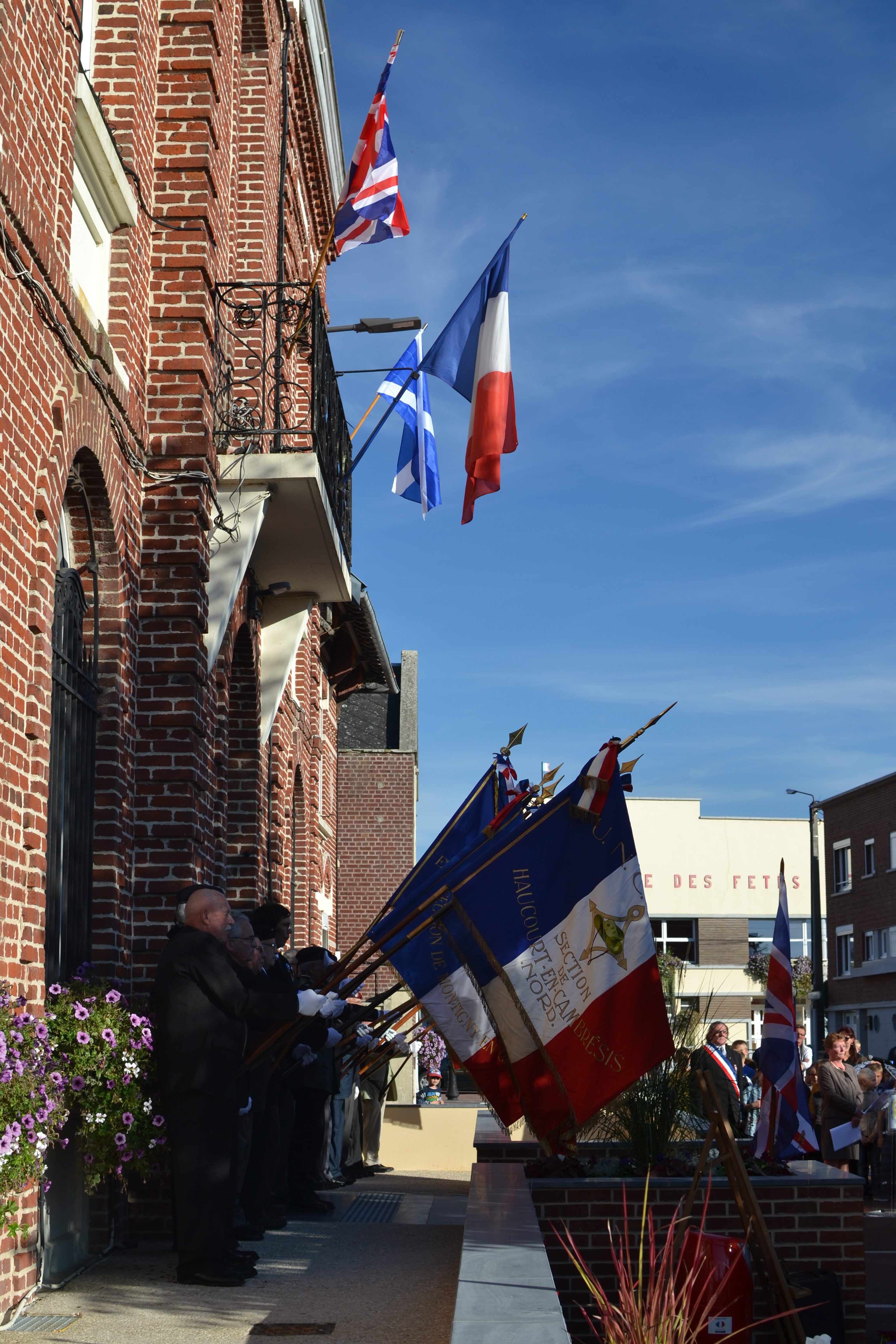
French veterans and standard bearers act as guard of honour to the unveiling party
One hundred years on, the residents of Clary once again commemorated the soldiers who had fought and died to liberate their town in a poignant ceremony held in the town square. A handsome marble plaque was unveiled on the wall of the Town Hall and commemorative crosses were laid by local children in memory of the soldiers who died in the actions leading to the town’s liberation.
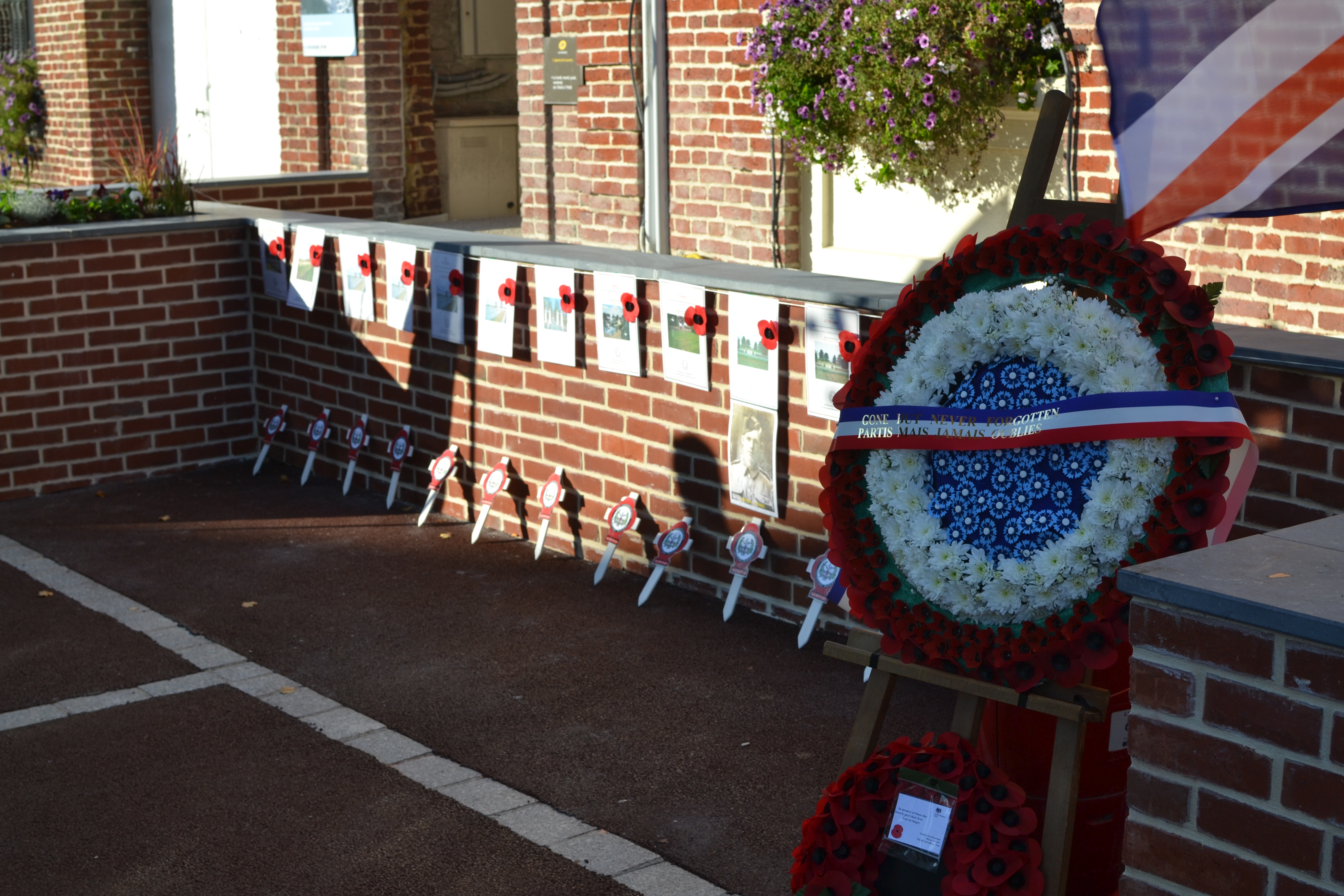
Local school children laying memorial crosses for those of The Cameronians (Scottish Rifles) who died on 9th October 1918
In a touching gesture of comradeship between Allies, the community of Clary presented me with a copy of the new plaque to display in Low Parks Museum. I’ll post more details about this over the next few weeks.
The standards dip as the crowd observe a moment’s silence in memory of those who gave their lives in the First World War
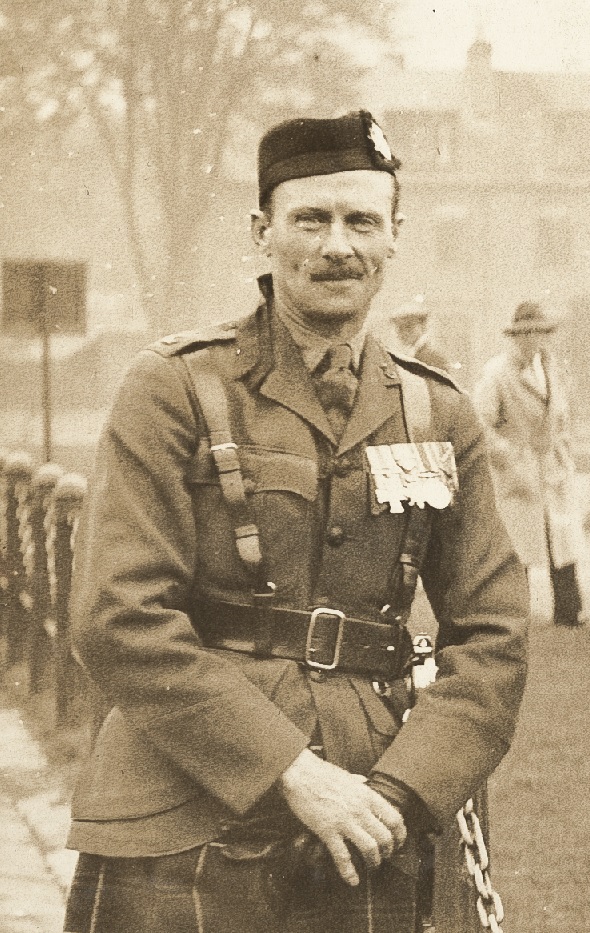
The genuine gratitude and sincerity expressed by the people of Clary in remembering The Cameronians was incredibly humbling and very moving to witness. What made the occasion even more special was the presence of the families of two members of the 5/6th Scottish Rifles who had fought at Clary in 1918. Several descendants of Colonel H. B. Spens D.S.O., who commanded the Battalion during the attack, were in attendance, including his grandson who was invited to assist in the unveiling of the commemorative plaque.
The newly unveiled plaque on the Town Hall of Clary. Under the plaque was placed a photograph of Colonel H. B. Spens, commanding officer of the 5/6th Scottish Rifles
Three relatives of Private Peter O’Hare, of Coatbridge, had traveled from Scotland to see their relative honoured. Peter O’Hare was one of the men who died in the action that led to the liberation of Clary. A number of other relatives of Private O’Hare held their own remembrance service at Coatbridge War Memorial in Scotland at the same time as the service was taking place in Clary.
The wreath laid by the Mayor of Clary, the family of Private O’Hare, and Mr Adrian Smith on behalf of The Cameronians (SR) and Families Organisation. The wreath was made by the local school children
I have made several visits to the First World War battlefields of France and Belgium over the past twenty years, but seldom have I witnessed such a moving service and it is something I will never forget. Having seen firsthand how dedicated the people of Clary are in honouring the men of the 5/6th Scottish Rifles, it is safe to say that the memory of these men is in safe hands.